Air-flow cleaning
Airflow Polishing is a hygiene treatment that effectively removes stains on the front and back of teeth.
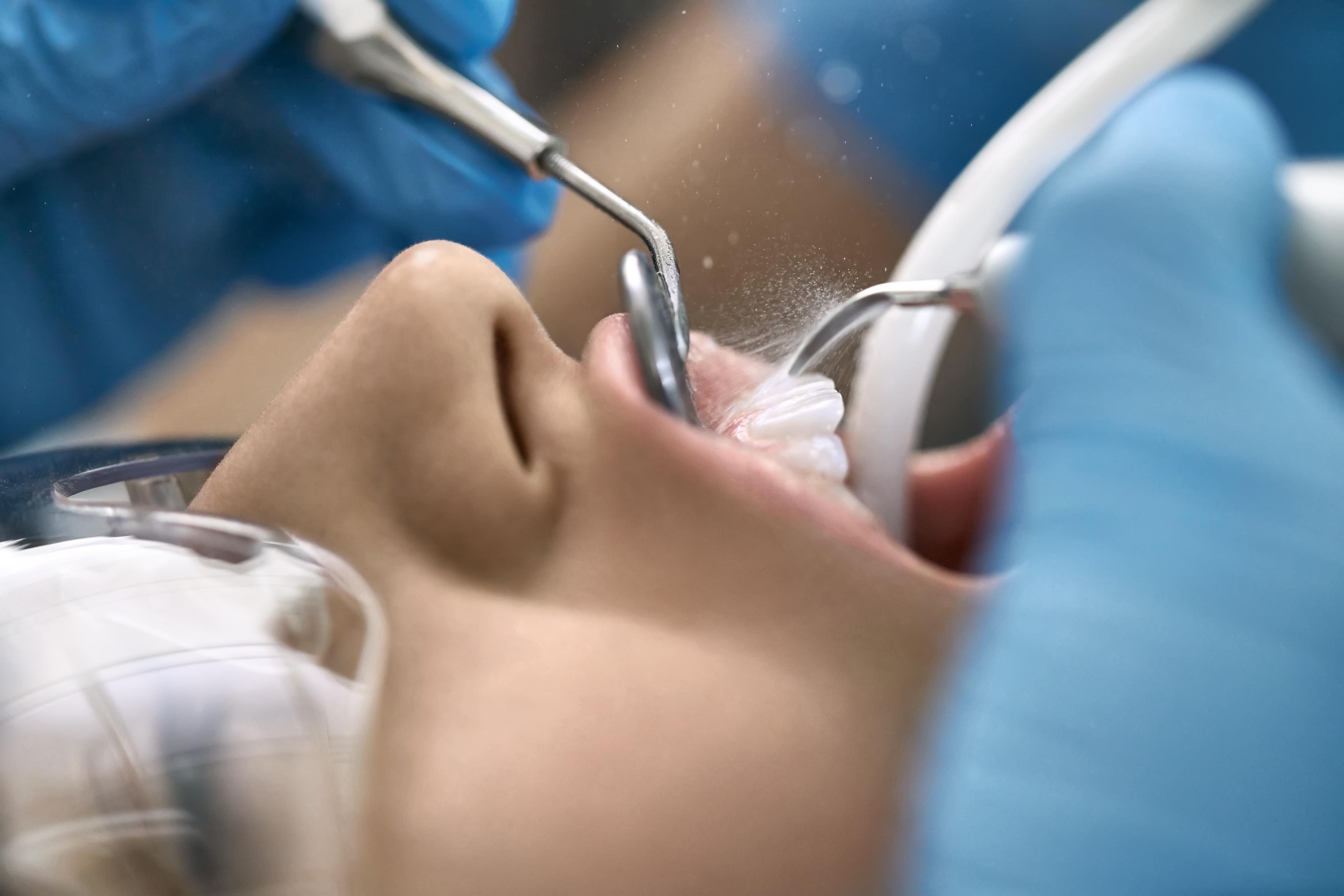
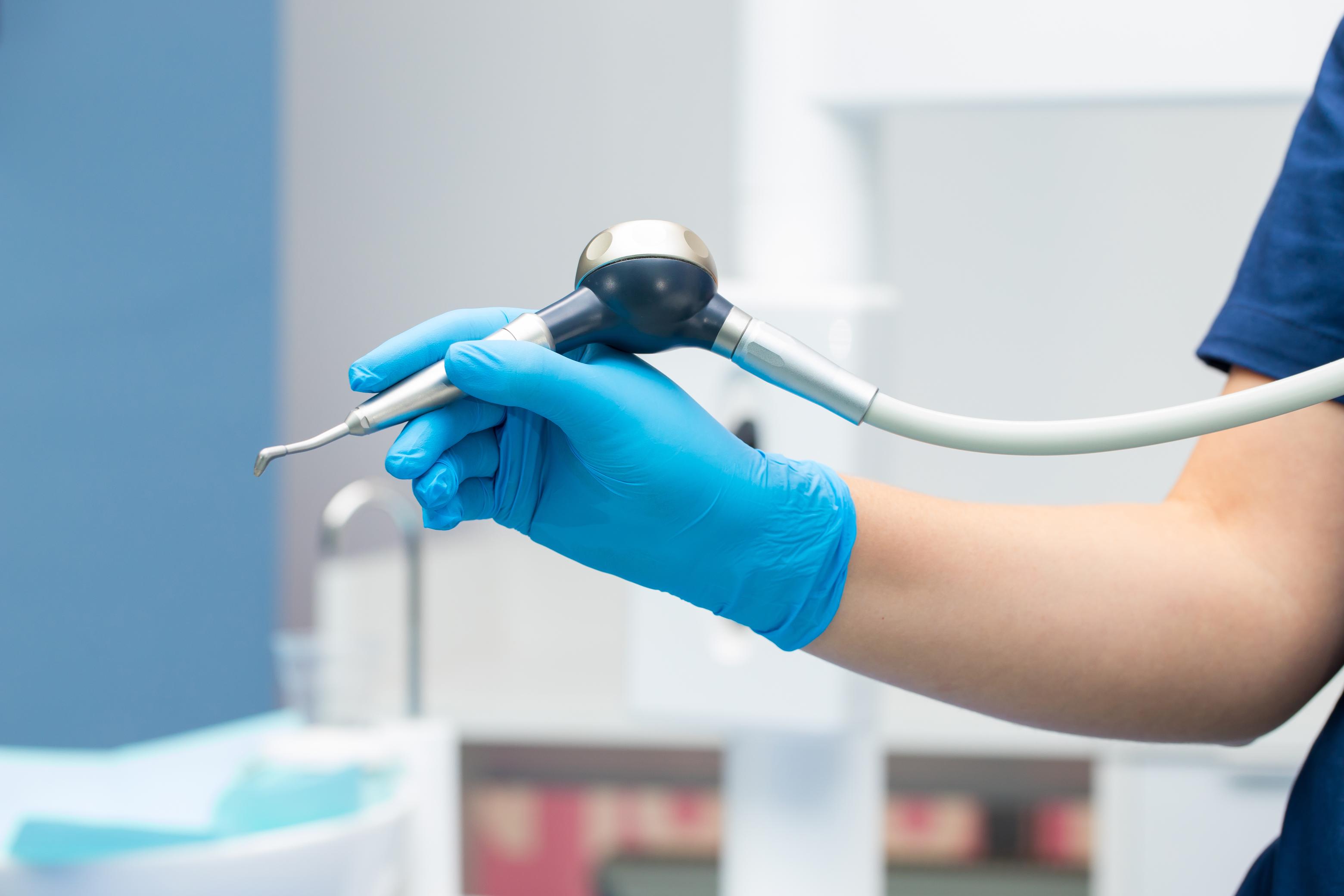
The procedure works by using a fine jet of compressed air, water and fine powder particles to remove staining caused by coffee, tea, red wine, tobacco and some mouthwashes.
Fine particles of powders are propelled by compressed air in a warm spray and directed onto the surfaces of the teeth. This pressurized jet of air, water and powder removes surface stains, plaque and other soft deposits such as food particles trapped in between the teeth.
There are lots of reasons why air polishing treatment might be beneficial to you:
- You fancy a brighter smile but don’t want to undertake teeth whitening treatment. Although it air polishing cannot alter the base colour of your teeth, it is fantastic at removing stains and restoring your sparkle!
- You might have a heavy build-up of plaque which is removed more quickly and easily by air polishing than by your scale and polish alone
- Air polishing can be more comfortable for those with sensitive teeth than a scale and polish as there is no heat generated by the procedure, and no contact with the teeth themselves
- It can be safely used on implants, bridges, veneers and crowns
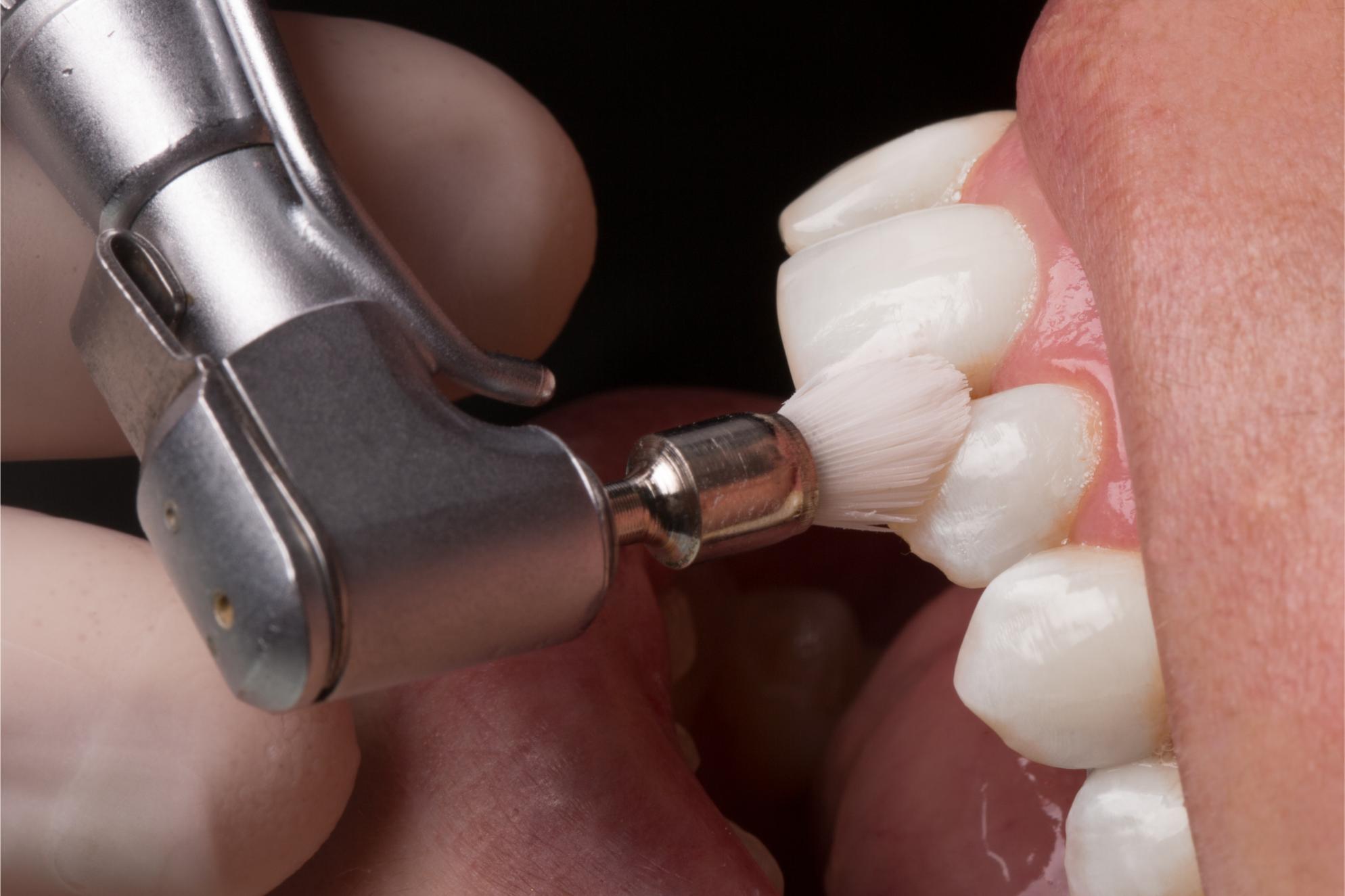
- The powders come in a variety of flavours such as mint and cherry and is much more pleasant and less gritty than the heavy paste used in traditional polishing
- If you want a quick fix for a special occasion or that important job interview, air polishing might be for you!
Ultrasonic cleaning
After a thorough, professional tooth cleaning, you know that your teeth look brighter and feel fresher. But tooth cleaning isn’t just about appearances. It’s the primary means of preventing and treating periodontal (gum) disease. Many studies have demonstrated a possible link between periodontal health and overall (systemic) health — which means regular tooth cleaning may benefit not just your mouth, but your whole body.
Why do teeth need special cleaning?
Over time, dental plaque (a naturally occurring bacterial biofilm) and stains build up on tooth surfaces. Dental calculus (also called tartar), a harder deposit, can then form both above and below the gum line. A thorough dental cleaning removes these substances from the teeth, and helps keep disease-causing bacteria from proliferating.
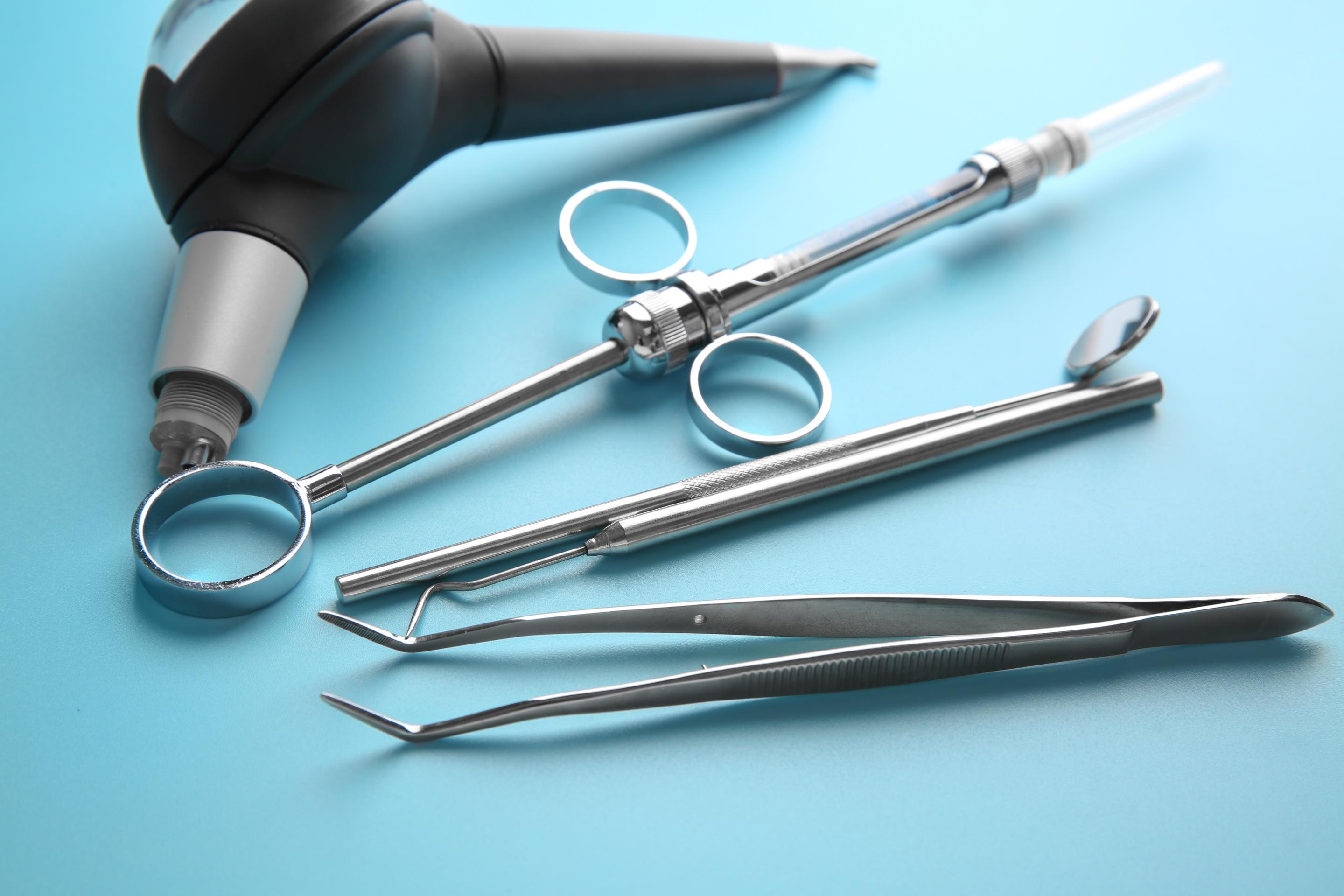
Tooth cleaning is usually accomplished by the non-surgical technique of scaling, sometimes called “root debridement.” It’s typically a relatively painless procedure in which small dental instruments are used to physically remove deposits from the surfaces of teeth. At one time, scaling was performed entirely with manual tools. But in the last several decades, the ultrasonic scaler has changed all that.
What Is an Ultrasonic Scaler?
There are different types of ultrasonic scalers, but all of them work in a similar fashion: electromagnetic forces in the unit’s hand-held “wand” cause its tiny tip to vibrate rapidly. These vibrations, which occur at a rate faster than the speed of sound, effectively blast away plaque, calculus and stains from the tooth surfaces.
A small stream of water and/or antibacterial mouthwash, which emerges near the tip of the scaler, is called lavage. Lavage is used to cool the ultrasonic scaler’s tip and flush away debris from the area being treated. The vibrating tip causes some of the water to break into millions of tiny bubbles, an effect called cavitation. This ruptures the walls of bacterial cells and helps create an environment that’s less hospitable to harmful bacteria.
Is It Better?
Studies show that a thorough ultrasonic cleaning takes about one-third less time as compared to hand scaling — which means you need less time in the chair. Many patients prefer ultrasonics to other types of scaling, possibly because it requires the clinician to use less force than a hand scaler to get the same effect. In ultrasonic scaling, only the tip of the tool touches the tooth surface, and only for a short time.
It’s also possible to remove deposits of plaque and tartar from under the gum line by using an extremely small tip on an ultrasonic unit, which can cause less discomfort and result in a deeper and better cleaning. Sometimes an ultrasonic scaler is used first, and then any stubborn areas are scaled by hand.
What to Expect
Anyone who has a substantial buildup of tartar or is prone to gum disease can benefit from ultrasonic scaling. It can also help to remove stains from coffee and cigarettes, for example. Yet, for all its power, most people experience little or no discomfort during the procedure.
If you have very sensitive teeth, it may be possible to alleviate some discomfort by using slimmer tips on the scaler. Alternatively, a topical anesthetic may be applied, or conscious sedation can be administered. The power range, the flow of lavage water and the frequency of tip vibration may also be adjusted for increased comfort.
Special tips are also available to clean composite or porcelain tooth restorations, titanium implants, or areas of demineralization (enamel loss) on your teeth. If you have a cardiac pacemaker, be sure to alert all dental professionals/personnel before ultrasonic scaling treatment, so precautions can be taken.